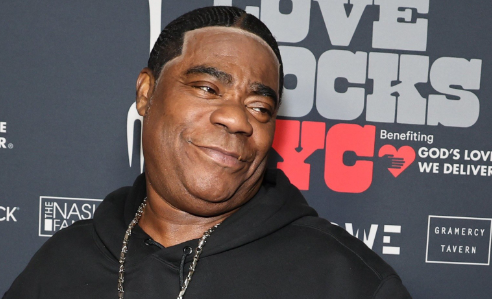
The YouTube video titled “Jay-Z GOT Beyonce Running from the Cops for trying to ESCAPE (WATCH NOW)” captures a sensationalized event purportedly involving Jay-Z and Beyoncé evading the police.

Viewers are drawn in by the promise of witnessing a dramatic chase, adding to the intrigue surrounding the couple’s alleged actions.
However, upon watching the video, it becomes apparent that the title is misleading, as there is no actual footage of Jay-Z and Beyoncé involved in any criminal activity.
Instead, the video seems to be clickbait, using the couple’s names to attract views without delivering on its sensational claims.

Such tactics exploit public fascination with celebrities to generate traffic and views for the video uploader.

The absence of any real content related to the title may leave viewers feeling disappointed or misled by the video’s misleading title and thumbnail.

This highlights the prevalence of clickbait tactics on platforms like YouTube, where content creators often prioritize views over accuracy or integrity.
Audiences should approach sensationalized titles with skepticism and verify claims before accepting them as truth.
Misleading titles not only erode trust in the platform but also contribute to misinformation and confusion among viewers.

Creators should prioritize transparency and honesty in their content to foster a healthier online environment.
While clickbait tactics may temporarily boost viewership, they can ultimately harm a creator’s reputation and credibility.
Platforms like YouTube should enforce stricter policies against misleading titles and thumbnails to protect their users from deceptive content.
Viewers can also help combat clickbait by reporting misleading videos and unsubscribing from channels that consistently use such tactics.
In a landscape where competition for views is fierce, creators must find ethical ways to attract and retain an audience.
Ultimately, the responsibility lies with both creators and platforms to ensure that content is truthful, accurate, and respectful of viewers’ intelligence.
By fostering a culture of transparency and accountability, online communities can mitigate the harmful effects of clickbait and promote a more trustworthy digital space.
Follow us to see more useful information, as well as to give us more motivation to update more useful information for you.